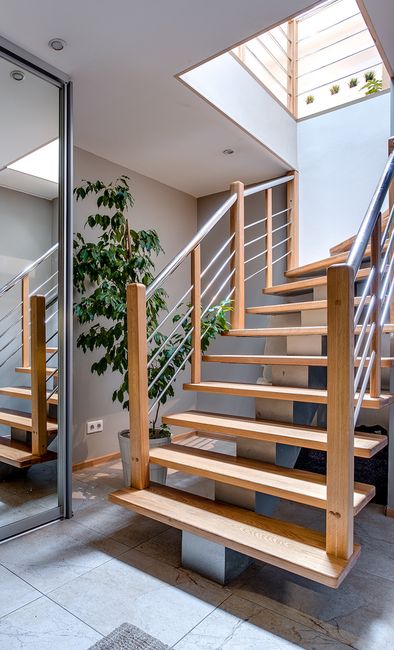
Access issues for West Hampstead removals narrow streets and stairs
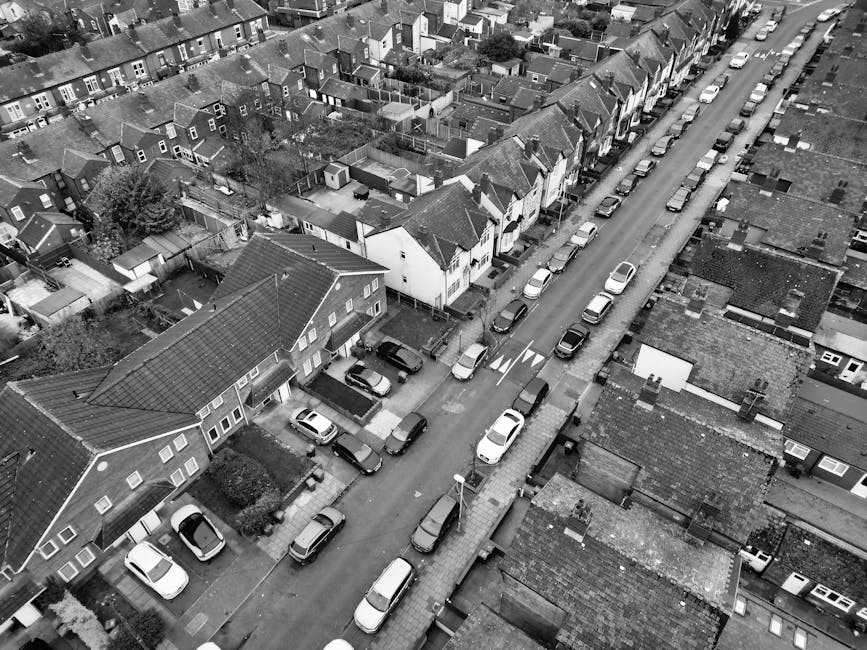
If you are planning a move in West Hampstead, chances are the building access will matter just as much as the packing. Narrow roads, tight front steps, awkward turns, basement flats, and top-floor walk-ups can all slow a move down fast. That is exactly why Access issues for West Hampstead removals narrow streets and stairs deserve proper planning before moving day, not a rushed chat on the morning itself.
In practice, these access problems affect everything from van positioning to carrying times, parking, and the number of movers needed. They can also change the type of vehicle that makes sense. This guide breaks the whole thing down clearly, with practical steps, common mistakes, and a few hard-won tips that can save a lot of faff later. To be fair, a well-planned awkward move is usually far easier than a badly planned easy one.
- Why access matters in West Hampstead
- How narrow streets and stairs affect a move
- Key benefits of planning access properly
- Who this is for
- Step-by-step guidance
- Expert tips for smoother removals
- Common mistakes to avoid
- Tools, resources and recommendations
- Law, compliance and best practice
- Options and comparison table
- Real-world example
- Practical checklist
- Conclusion
- Frequently asked questions
Why Access issues for West Hampstead removals narrow streets and stairs Matters
West Hampstead has a character all its own: period conversions, mansion blocks, terraced homes, side streets with parked cars, and lots of properties where the front door is not exactly designed for a sofa the size of a small boat. That is part of the charm, but it also means removals need more than standard loading and unloading.
Narrow streets affect where a van can stop, how long it can stay there, and whether a tail lift or long carry will be needed. Stairs affect the speed of the move, the safety of the team, and the risk of damage to walls, bannisters, and furniture. A move that looks simple on paper can turn into a stressful scramble if these access issues are ignored.
There is also the cost side. Delays from double parking, walking loads from the nearest safe stopping point, or needing extra labour can affect the schedule and sometimes the quote. Nobody likes surprise costs. Nobody.
Expert summary: In most West Hampstead moves, access is not a side issue. It is one of the main variables that shapes the vehicle choice, crew size, packing approach, and moving-day timings.
If you are comparing providers, it helps to look beyond the headline price and check how they handle awkward access. A good starting point is the company's own about us page, plus the practical policies that show how they work around safety and liability, such as the health and safety policy and insurance and safety information.
How Access issues for West Hampstead removals narrow streets and stairs Works
The process is really about reducing unknowns. Before moving day, a removal team should understand three things: where the vehicle can stop, how the furniture will reach the property, and what hazards are likely inside the building. If any of those are unclear, the risk of delay goes up pretty quickly.
1. Street access and stopping points
Some West Hampstead streets are narrow enough that a standard removal van can still pass, but loading safely is another matter. Parked cars, school run traffic, delivery vehicles, and residents coming in and out can all make a short stretch of road feel much tighter than it looked in the online photos. In some cases, the best solution is a smaller van with shuttle loads rather than trying to force a large vehicle into a bad spot.
2. Stair access inside the building
Once inside, stairs become the main challenge. Turnings can be too tight for wardrobes, beds, and large sofas. Narrow landings can stop a mattress from pivoting cleanly. And older staircases often have the sort of angles that look fine until you are half-way round them, sweating, with a wardrobe stuck at an awkward twist. We have all seen that moment where everyone goes quiet and then one person says, "Right, turn it again."
3. Carry distance and the route to the van
If the van cannot park close to the entrance, the carry distance rises. That means more time, more lifting, and more strain on the crew. It can also increase the chance of bumps, scuffs, and trips, especially if the route includes uneven paving, wet steps, or a cramped hallway.
4. Lifting, protection, and team positioning
Good movers adjust their technique depending on access. They may use extra blankets, strap systems, shoulder protection, stair trolleys where suitable, and better team coordination. The point is not to rush. It is to move safely and keep the property protected on both ends.
If you are arranging a home move, the service you choose matters too. For many awkward access jobs, a flexible man with van setup can be useful, while larger or more complex house moves may suit a fuller house removals approach. The right fit depends on the property, not just the volume of boxes.
Key Benefits and Practical Advantages
Good access planning does more than reduce stress. It can improve the entire move from start to finish.
- Fewer delays: The team arrives knowing where to park and how to carry items in.
- Better protection: Furniture, floors, and walls are less likely to be damaged when the route is planned in advance.
- Safer lifting: Fewer awkward manoeuvres means lower risk for everyone involved.
- More accurate quotes: The removal company can price the job more fairly when access is properly described.
- Less stress on moving day: You are not trying to solve access problems while the clock is already running.
There is also a knock-on effect on packing. If you know a stairwell is awkward, you can pack heavier items more sensibly, separate fragile items, and label the boxes that need extra care. That little bit of foresight saves a lot of muttering later on.
For many households, the real benefit is simple: the move feels controlled. Not perfect, because moving is rarely perfect, but controlled enough to breathe a bit easier.
Who This Is For and When It Makes Sense
This topic matters to almost anyone moving in West Hampstead, but especially if any of the following applies:
- You live in a flat on an upper floor with no lift.
- Your building has narrow stairs, small landings, or awkward corners.
- Your street has limited parking or regular traffic congestion.
- You are moving large furniture, appliances, or office equipment.
- You need a van to stop a short distance away rather than right outside.
- You are arranging a same-day move where timing will be tight.
It is also relevant for landlords, letting agents, and office managers. Even small office moves can get complicated if the building has stairs, old lifts, or shared entrances that need protecting. For that kind of job, a service such as office removals or broader commercial moves support may be a better fit than trying to improvise with a one-size-fits-all approach.
Truth be told, many access problems are only "surprises" because nobody asked the right questions early enough. If you are already thinking about them, you are ahead of the game.
Step-by-Step Guidance
Here is the simplest way to handle access issues without overcomplicating the move.
- Walk the route from the street to the property.
Check the pavement, front steps, door width, hallway turns, stair landings, and any low ceilings or handrails that might catch furniture. - Measure the difficult pieces.
Don't guess. Measure sofas, wardrobes, mattresses, desks, and appliances. A quick tape measure session can prevent a lot of last-minute panic. - Tell the removals team what is actually tricky.
Say if the road is narrow, if there is no parking, if the stairwell turns sharply, or if the property is basement level. Be specific. - Ask about vehicle choice.
Sometimes a smaller van is better than a larger truck. Sometimes a larger vehicle is fine if it can park nearby. The answer depends on the route and the load. - Plan protection for floors and walls.
Blankets, door protection, and careful lifting should be part of the plan, not an afterthought. - Build in time for access delays.
Even a well-planned move can hit a parked car, a delivery, or a neighbour coming and going. Leave breathing room. - Confirm insurance and working practice.
Ask how damage, breakage, or access-related difficulties are handled. Reputable movers should be comfortable answering this.
If you want a clearer idea of costs, ask for a detailed breakdown through the site's pricing and quotes page. That is usually a more useful conversation than a vague "how much for a move?" message sent at 11pm while you are staring at a staircase.
Expert Tips for Better Results
These are the small things that make awkward access jobs run more smoothly.
- Photograph the staircase and entrance. A couple of clear pictures often explain more than a long description.
- Keep hallways clear. Shoes, bikes, bins, umbrellas, all the usual clutter. Get it out of the way before the movers arrive.
- Disassemble bulky furniture in advance. Beds, tables, and some wardrobes become far easier to move when broken down properly.
- Label the awkward boxes. If something needs two people or extra care, say so clearly.
- Protect the shared areas too. In flats and conversions, stairwells and communal entrances matter as much as your own front door.
- Book earlier in the day when possible. Morning slots can be easier for parking and less stressful if access turns out to be slower than expected.
A small but important tip: if your building has an especially tight stairwell, tell the movers which items are non-negotiable and which ones could be moved later if needed. That gives the crew options on the day. Options are good. Options keep people sane.
And if you are comparing providers, look for a company that offers practical support rather than just a vehicle. The best fit might be a removal company with experienced movers, or a simpler removal services package if your load is smaller.
Common Mistakes to Avoid
A lot of access issues are predictable once you know what to look for. Here are the errors people make most often.
- Assuming the van will park outside the door. In West Hampstead, that is not always realistic.
- Forgetting about stairs until moving day. By then, the team can only react, not plan.
- Underestimating the size of furniture. A sofa that fits in the lounge may still hate the staircase. It happens.
- Not mentioning basement or top-floor access. These details change the whole job.
- Leaving corridor obstacles in place. Narrow access becomes dangerously narrow very quickly.
- Choosing a quote without checking what it includes. Extra labour, waiting time, and difficult access can affect the final cost if not agreed up front.
Another common slip: trying to sound reassuring by saying "it should be fine" when you are not actually sure. Better to be honest. A good mover would rather hear the awkward truth than discover it while trying to angle a wardrobe around a stair bend.
Tools, Resources and Recommendations
You do not need fancy equipment to manage access issues, but a few simple tools help a great deal.
- Tape measure: For doors, furniture, stairs, and landings.
- Phone camera: Useful for sending photos of access points in advance.
- Floor and door protection: Helpful for shared hallways, old paintwork, and polished floors.
- Furniture tools: Allen keys, screwdrivers, and labelled bags for fixings.
- Box labels: Mark heavy, fragile, or awkwardly shaped items clearly.
On the service side, some moves benefit from a smaller, more flexible vehicle, such as a removal van or a man with a van style service. Larger jobs may need a dedicated moving truck. The best choice usually comes down to access, volume, and how much carrying is involved.
If you are moving only a few items or collecting bulky furniture, services like furniture pick up can be useful too. That kind of job often sounds simple until you realise the item is on the third floor and the staircase has a turn sharp enough to deserve its own warning sign.
Law, Compliance, Standards, or Best Practice
For removals involving narrow streets and stairs, the main compliance concerns are safety, property care, and sensible handling practices. In the UK, removal work is typically shaped by general health and safety responsibilities rather than a single access-specific law. That means planning, communication, and risk control matter a lot.
Good practice usually includes:
- assessing the access route before the move starts;
- using suitable lifting methods and team sizes;
- protecting floors, walls, and door frames where needed;
- being careful with shared spaces in flats and converted buildings;
- checking that the service provider has sensible insurance and working procedures.
If a move has especially tight access, it is also reasonable to ask how the company handles delays, breakages, or access-related restrictions. The site's terms and conditions and insurance and safety information can help set expectations before the day begins.
There is no drama in asking practical questions. In fact, that is exactly what you should do.
Options, Methods, or Comparison Table
Different access problems call for different moving methods. Here is a straightforward comparison.
| Approach | Best for | Strengths | Trade-offs |
|---|---|---|---|
| Large removal truck | Larger homes, fuller loads, straightforward parking | Efficient for volume, fewer trips | Can struggle on tight streets or with limited stopping space |
| Removal van | Homes with awkward roads, smaller moves, shuttle loads | More flexible in narrow streets | May need more than one run for bigger jobs |
| Man and van | Light to medium moves, fast local jobs, tricky access | Adaptable, practical, often easier to position | Less suitable for very large households on its own |
| Full removals team | Stairs, heavy furniture, complete house moves | More hands, more protection, better for complex routes | Usually costs more than a basic vehicle-only option |
For home moves with multiple floors or difficult access, a dedicated home moves service often gives the most balanced result. For business relocations with stairs, narrow corridors, or shared entrances, the same logic applies, just with more cables and office chairs thrown in for good measure.
Case Study or Real-World Example
Picture a typical West Hampstead flat move. Two bedrooms, a sofa, a bed frame, a dining table, and a few heavy boxes. On paper it seems manageable. Then you arrive and realise the road is narrow, a car is parked near the entrance, and the flat is two floors up with a sharp turn on the landing.
In that kind of move, a crew might park a little farther away, carry smaller loads in stages, dismantle the bed frame first, and wrap the sofa before turning it through the stairwell. Nothing dramatic, just disciplined work and a decent plan. The whole job may take longer than a no-stairs move, but it is usually far smoother than trying to force everything through in one go.
A couple of years back, one of those slightly miserable drizzly mornings set the tone straight away. The pavement was damp, the front step was slick, and the roomiest item was a wardrobe that only looked innocent until we got it to the staircase. We slowed down, split the job properly, and got there without damage. Not glamorous. But successful. That is the point.
Practical Checklist
Use this checklist before moving day.
- Measure doors, stairs, landings, and the largest furniture pieces.
- Take photos of the entrance, street, and stairwell.
- Tell the removal team about parking restrictions and narrow roads.
- Confirm whether there is a lift and whether it is usable.
- Clear shared hallways and your own exit route.
- Disassemble bulky furniture where possible.
- Label heavy, fragile, and awkward boxes.
- Check the quote for access-related assumptions.
- Confirm insurance, safety practice, and timings.
- Keep a phone charged and available on the day.
If you want to compare options, it can help to browse the wider removals information and, if needed, the more tailored man and van removals offering. The right option should feel practical, not forced.
Get a free quote today and see how much you can save.
Conclusion
Access issues in West Hampstead are not unusual, and they are not a reason to panic. Narrow streets and stairs simply mean the move needs a bit more thought, a bit more honesty, and the right kind of plan. Once you know what the access looks like, the rest becomes much easier to manage.
The best removals are rarely the ones with no problems at all. They are the ones where the problems were spotted early and handled calmly. That is the difference between a day that feels chaotic and a day that feels, well, properly under control.
If your move involves tight streets, awkward turns, or more stairs than you would like to count, take a breath and plan it properly. A little preparation goes a very long way, and moving day can still be a good day, honestly.
Frequently Asked Questions
How do narrow streets affect removals in West Hampstead?
Narrow streets can limit where a van stops, how long it can stay there, and whether larger vehicles can manoeuvre safely. They may also increase carry distance if parking is restricted.
What should I tell movers about stair access?
Tell them how many flights there are, whether the stairs are narrow or steep, if there are tight turns or small landings, and whether a lift is available and usable. Photos are very helpful too.
Can a removal van handle a top-floor flat?
Yes, often it can, but the better question is whether the crew and vehicle size suit the load and the access route. For some top-floor flats, a smaller van with more trips is the smarter choice.
Will difficult access make my move more expensive?
It can, because extra time, extra labour, longer carries, or shuttle trips may be needed. That is why access details should be shared early for a fair quote.
Do I need to measure my furniture before booking?
Yes, especially for large items like wardrobes, sofas, beds, and appliances. Measurements help avoid nasty surprises when turning corners or going up stairs.
What if my street has no parking outside the building?
That is common in some parts of West Hampstead. The team may need to park farther away and carry items a longer distance, or use a different vehicle setup.
Is a man and van service enough for awkward access?
Sometimes, yes. If the move is small to medium and the access is tight, a flexible man and van service can be a good fit. For larger loads, you may need a fuller removals team.
How can I protect my walls and stairs during the move?
Use door and floor protection, keep routes clear, and make sure large items are wrapped properly. A careful team should also use safe lifting techniques and avoid rushing the turns.
Should I mention access issues when asking for a quote?
Absolutely. Access is one of the biggest factors in planning a move, and leaving it out can lead to inaccurate pricing or timing problems.
What is the biggest mistake people make with stair access?
They assume the furniture will simply fit. It sounds obvious, but narrow staircases, sharp turns, and low ceilings can all change the reality quickly.
Are office moves affected by the same access problems?
Yes. Office removals can be just as affected by stairs, narrow corridors, shared entrances, and parking limits, especially with desks, filing units, and IT equipment.
Where should I start if I am unsure about my access situation?
Start by walking the route, taking measurements, and noting the tightest points. Then speak to the removals team and explain the access honestly. That first conversation makes a big difference.